AI Marketing - From Brief to Mass Production: Automating Workflows with Diaflow
9 OCT 2026
Recently, Diaflow joined TikTok and BytePlus, ByteDance's enterprise solutions arm, to run an internal training workshop for L'Oréal Vietnam. Our session, "From Brief to Mass Production," showed how AI can move beyond being a standalone tool and become a workflow that takes a campaign from the first brief all the way to finished assets.
Every marketing campaign starts with a brief. However, the journey from receiving a brief to delivering the final product involves a chain of tasks: research, ideation, content creation, creative production, review, and handoffs. AI can accelerate each individual task, but if the overall process remains fragmented, teams will still face "Tool Sprawl" and "Broken Workflows".
At the workshop, Diaflow introduced the AI Workflow Automation solution, helping marketing teams connect AI, people, and data around a shared objective through 4 core stages: Ideation, Validation, Production, and Mass Production.
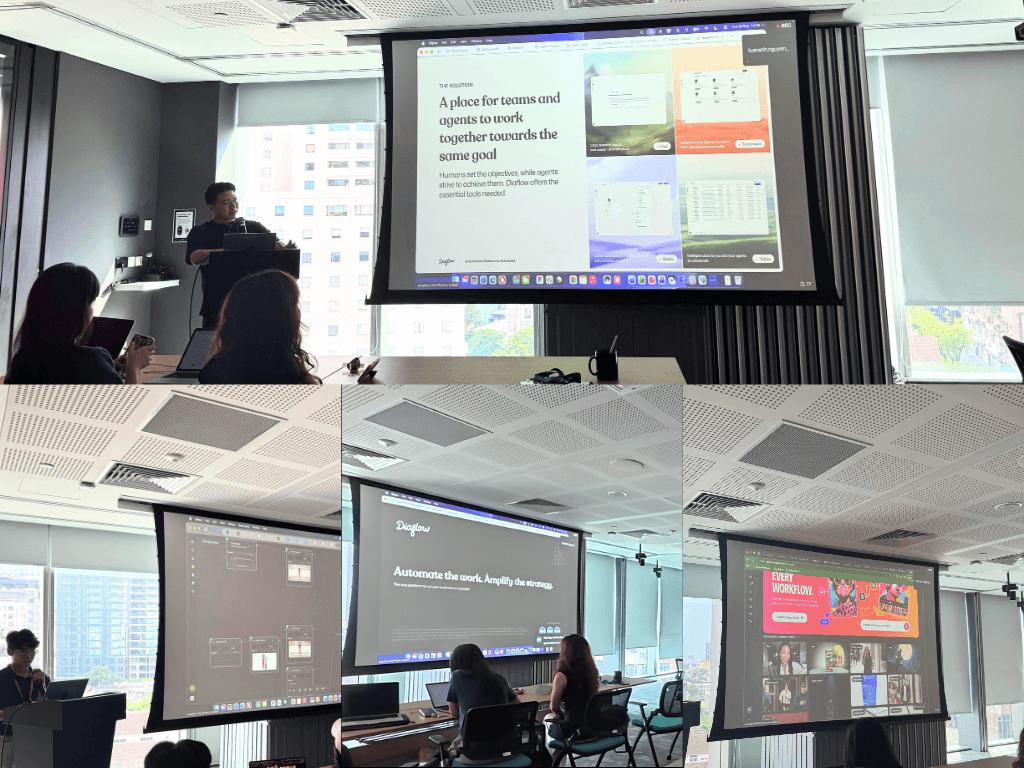
A Diaflow representative shared the "From Brief to Mass Production" approach at the Training Workshop with TikTok and L'Oréal.
The Problem: AI Can Create, But Workflows Still Break
A traditional marketing workflow often goes through multiple disconnected steps:
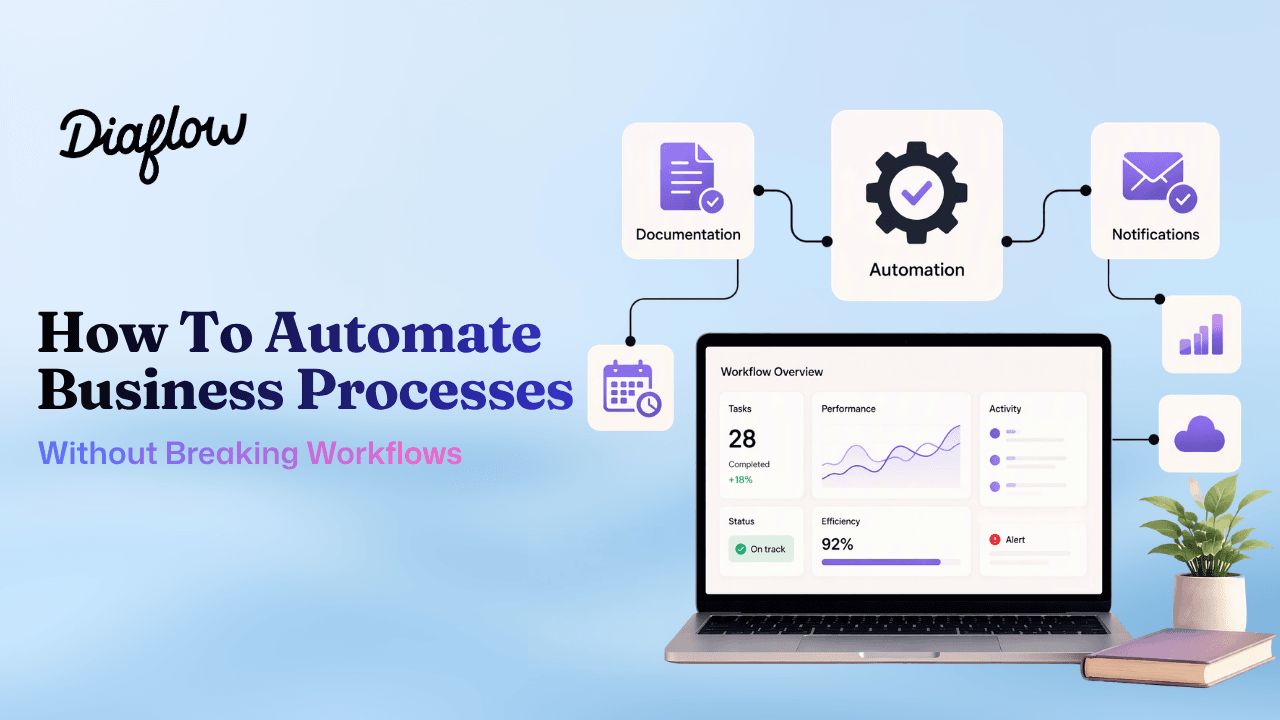
Brief → Research → Ideation → Content → Creative → Review → Production
When each step happens in a different tool, challenges arise:
- Tool Sprawl: Teams rely on too many different apps, and moving information between them creates redundant manual work.
- Broken Workflows: Context easily gets lost. A brilliant idea developed during research might not fully carry over to the creative phase.
- Shallow Intelligence: Current AI often just responds to a single prompt. The real challenge is no longer generating a single output, but connecting a sequence of tasks to achieve a larger objective.
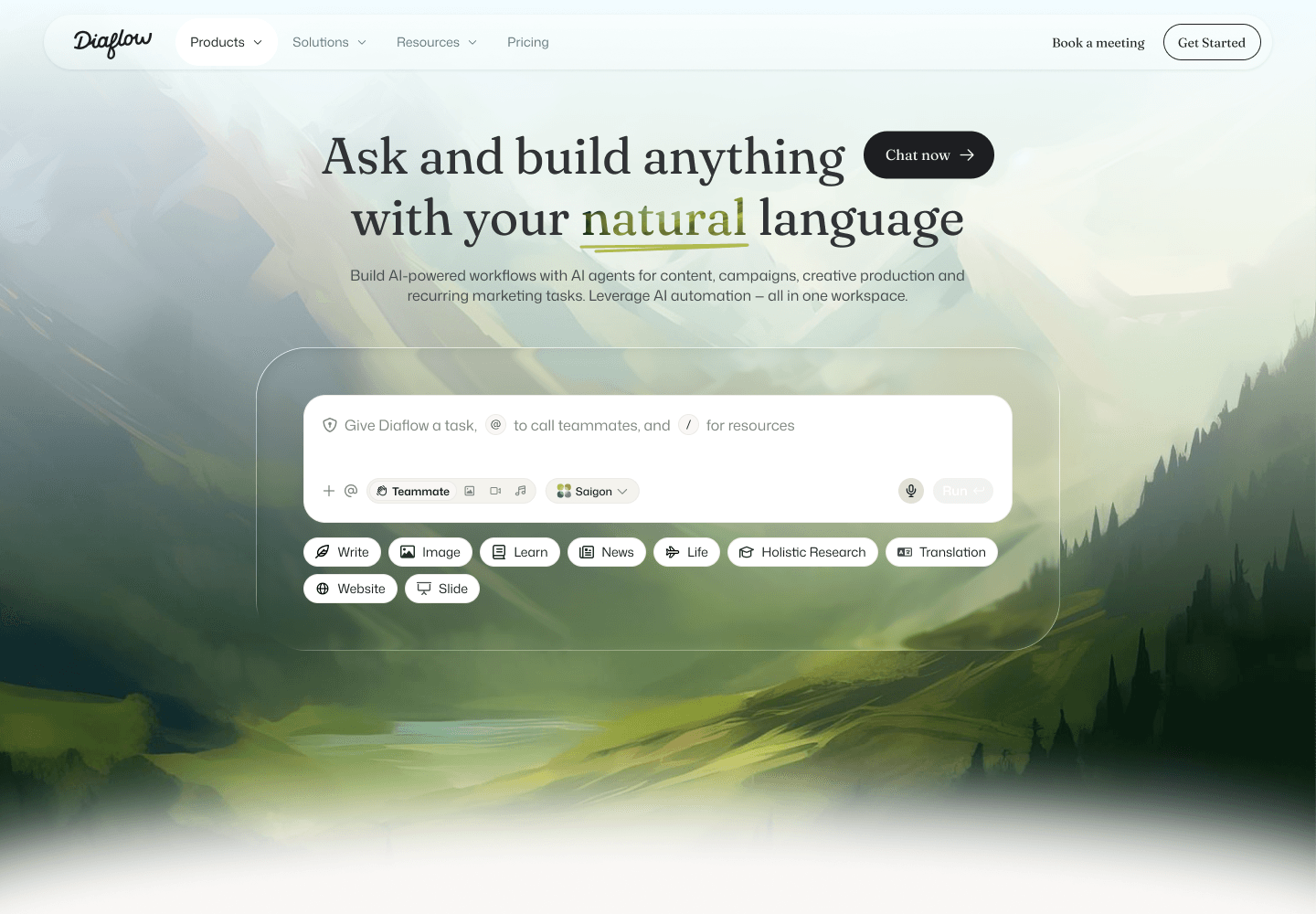
Diaflow Chat enables teams to build AI-powered workflows using natural language.
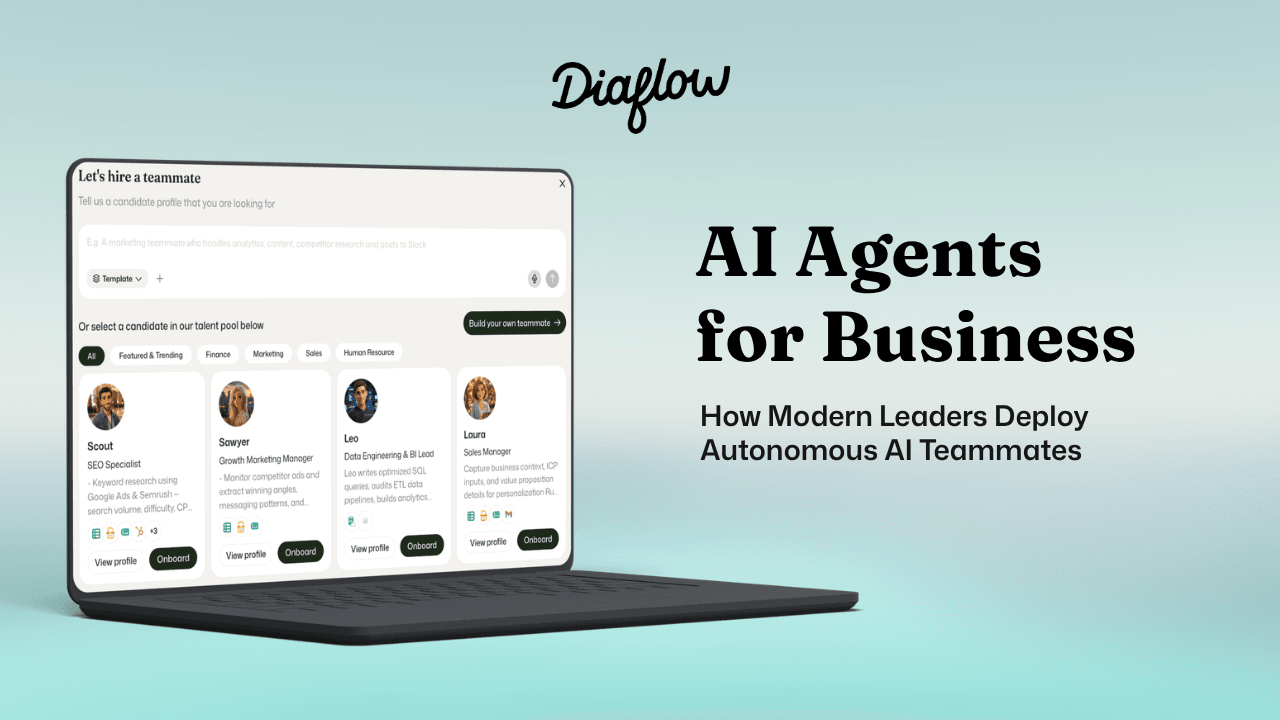
From "AI Tools" to "AI Workflows" with Diaflow
Instead of using AI for a single, isolated task, Diaflow proposes a paradigm shift: From asking AI to complete one task -> to giving AI a larger objective and connecting the work required to achieve it.
Humans define the objectives, while AI Agents execute them. This journey is structured by Diaflow across 4 stages:
Ideation → Validation → Production → Mass Production
1. Ideation: Turn the Brief Into a Direction
Everything starts with an objective. In this stage, the brief provides the context. Instead of jumping straight into production, Diaflow Chat allows teams to use natural language to explore with AI: campaign ideas, content directions, research questions, etc. The Goal: Not to produce everything at once, but to turn a broad brief into a clearer direction.
2. Validation: Research Before You Produce
Good production starts with a strong foundation.
Once initial directions have been developed, teams can use AI capabilities for research, reasoning, and validation before moving into full production.
Diaflow highlights AI Teammates and specialized capabilities such as /deep-research, /slide-generation, and /marketing as part of this workflow.
This stage helps teams move from:
“This could be a good idea.” to “This is the direction we want to develop.”
3. Production: Turn Ideas Into Assets
Once the direction is locked in, the project enters the Production phase. Here, Diaflow's features combine with multimodal power to generate written content, images, video, and audio all within the same workspace. The team builds workflows that connect the production stages rather than handling individual requests piecemeal.
4. Mass Production: Scale the Workflow, Not the Process
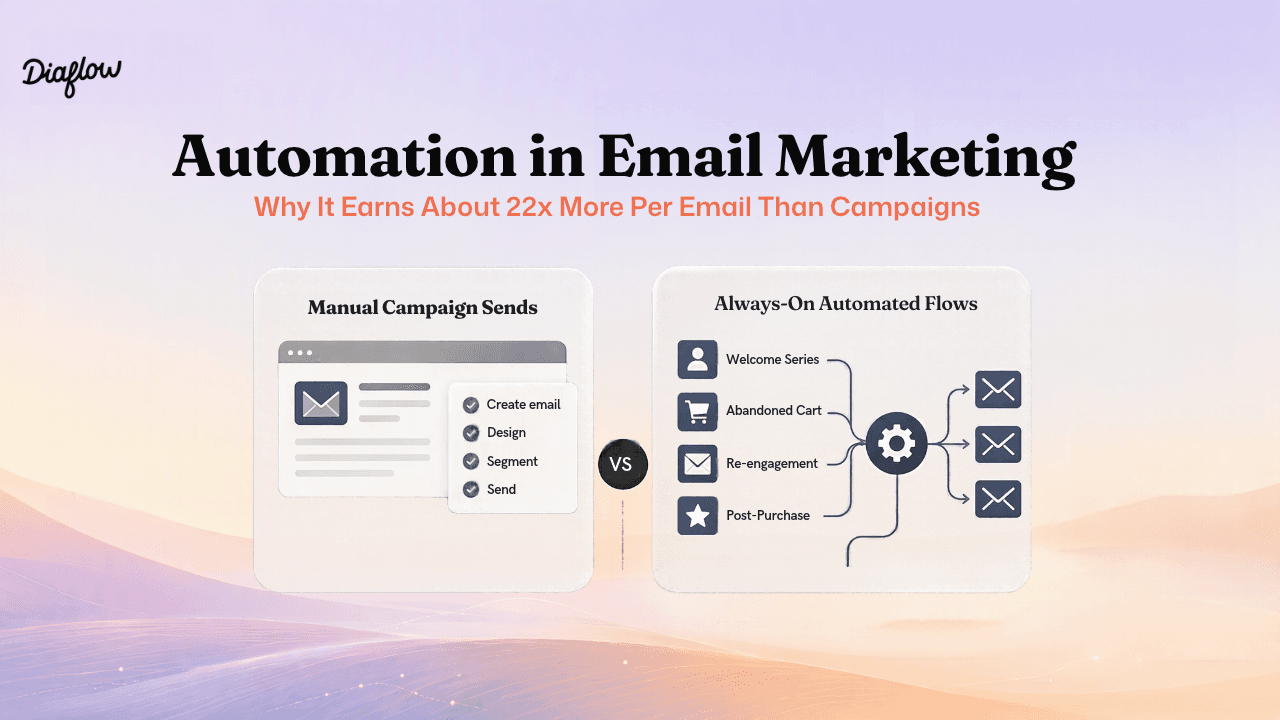
Producing one asset is good, but creating an automated system for mass production is where automation becomes truly valuable. Here, Diaflow combines Studio (for building automations) and Tables (for intelligent data management). Instead of starting from scratch every time a new brief arrives, you create a repeatable and scalable workflow. The massive shift: From producing one output -> to building an automated system that generates a large volume of outputs.
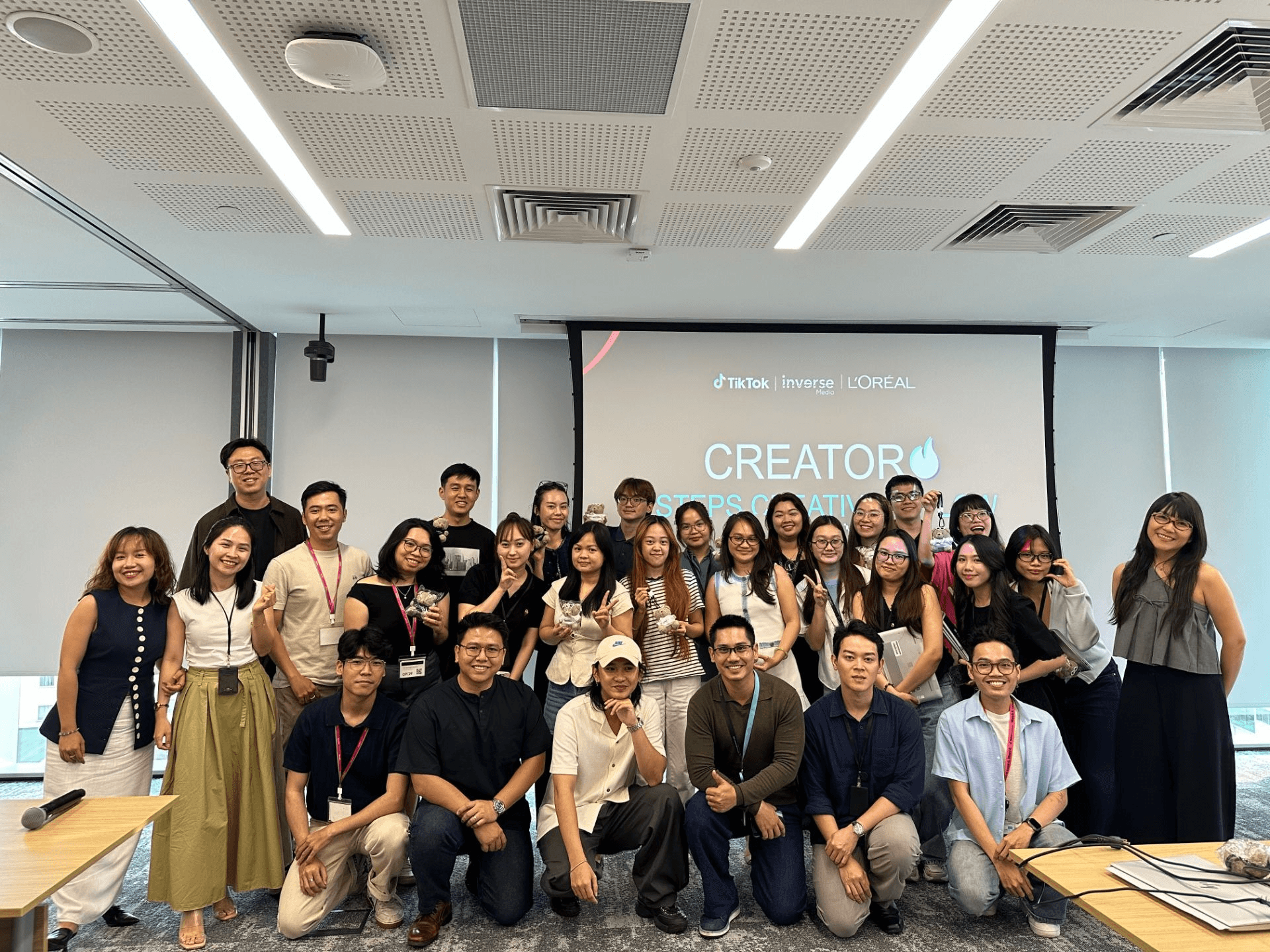
The Diaflow, TikTok, and L'Oréal teams taking a commemorative photo after the sharing session on AI Workflow Automation.
The 4 Building Blocks Behind Diaflow's Workflow
To ensure this process runs smoothly, Diaflow provides 4 core tools:
- Chat: A space to communicate with AI using natural language to research, reason, and create.
- AI Teammates: Autonomous AI agents designed to work continuously toward assigned objectives instead of waiting for step-by-step commands.
- Studio: The environment for building and automating workflows to solve complex, multi-step problems.
- Tables: Brings structured data into the workflow, enabling seamless collaboration between humans and AI.
Conclusion: Build Once. Automate. Scale.
The real opportunity in AI workflow automation is not simply asking AI to work faster, but changing how work is structured. A single prompt produces a single output. But a workflow can connect multiple tasks, making the process repeatable and scalable - from an initial brief to mass production.
Start with the brief. Build the workflow. Move toward scalable production with Diaflow.